Home › Gravel-to-Asphalt Conversions
Tired of mud and ruts from your gravel drive. Our gravel to asphalt driveway conversions in Tulsa, OK add a solid base and smooth blacktop surface that is easier to maintain and drive on.
Precision Asphalt Tulsa provides professional gravel to asphalt driveway throughout Tulsa, OK, Oklahoma and the surrounding area. Our licensed, insured crew delivers safe, clean, on-time work with a free estimate before anything begins. Call (918) 703-4204 or request your free quote.
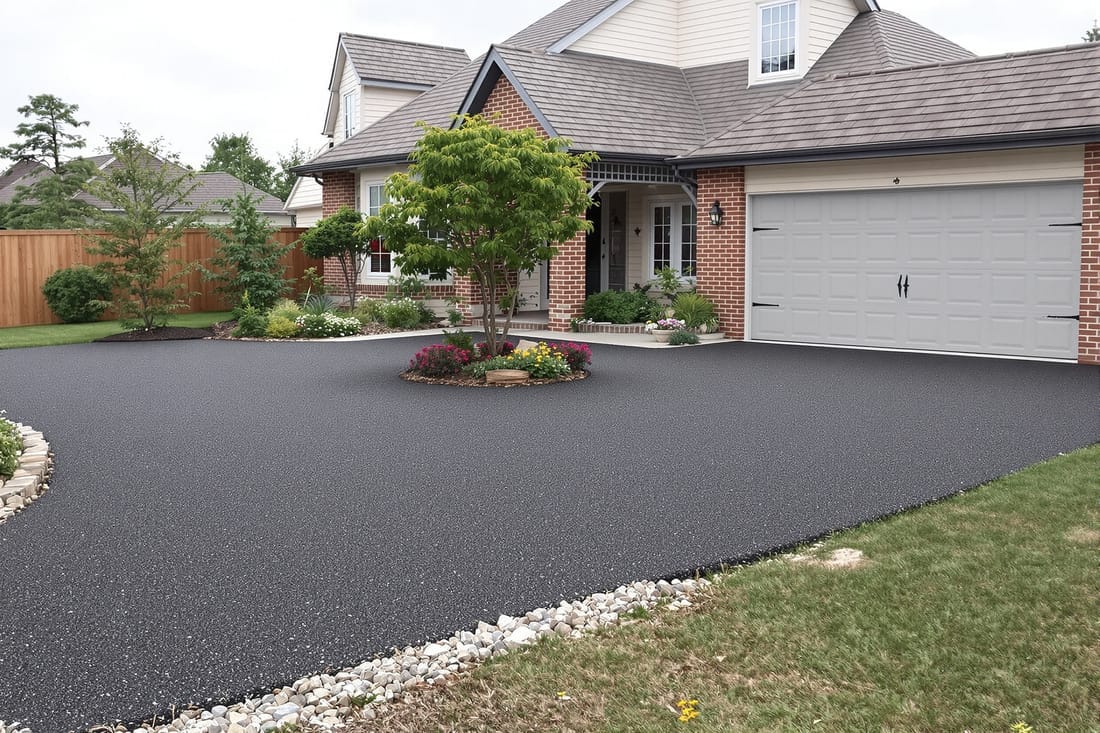
Turn Your Gravel Driveway Into a Smooth Asphalt Surface
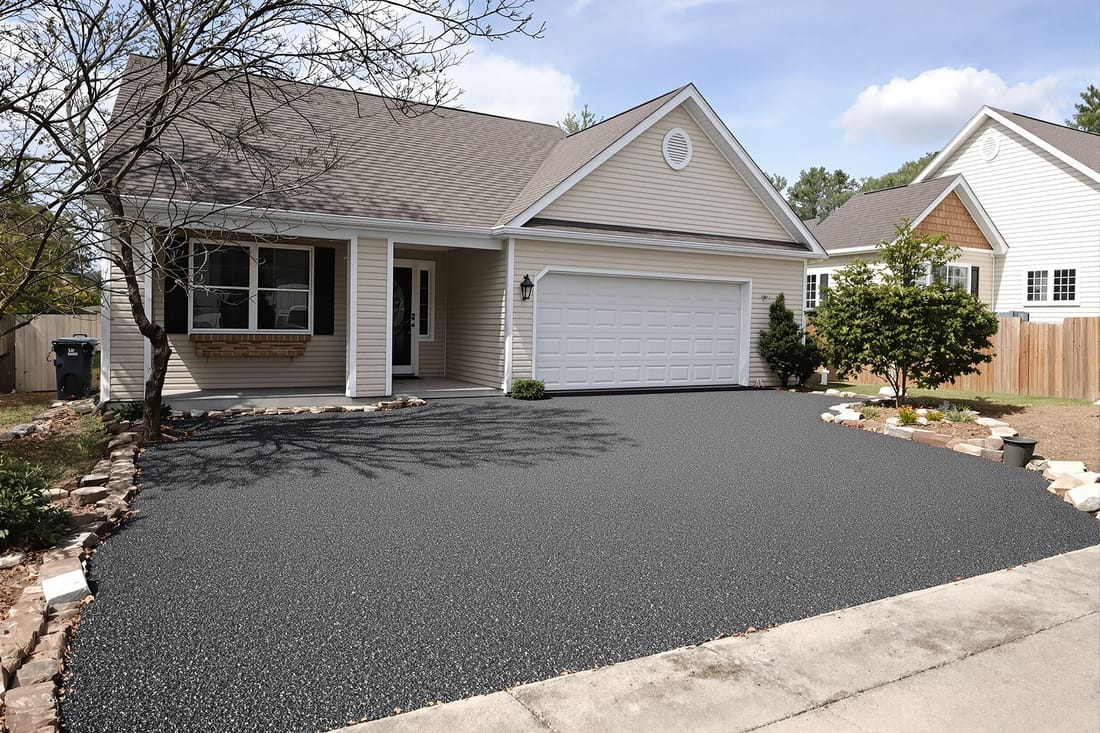
If you are tired of dust, ruts, and washouts on your gravel driveway, Precision Asphalt Tulsa can convert it into a smooth, long‑lasting asphalt surface that fits Tulsa traffic and weather. We specialize in gravel to asphalt driveway projects around Tulsa, Broken Arrow, Bixby, Jenks, Owasso, and the surrounding communities, so we know exactly how local soil and rainfall affect your new pavement.
A gravel to asphalt driveway conversion is more than just pouring hot mix over rock. We evaluate your current gravel base, drainage pattern, and driveway usage so the new asphalt will not rut, crack, or hold water. Many Tulsa properties sit on clay-heavy soil that moves when it gets wet or dry, which is a big reason cheap overlay jobs fail. Our crew checks the depth and quality of your gravel, the compaction, and any soft spots so we can strengthen weak areas before paving.
Whether you have a straight country driveway off a county road or a tight residential entrance with a slope, we design the asphalt layout around how you actually use it. That can mean widening tight turns, creating a parking pad near the garage, or reinforcing sections where heavy work trucks or trailers sit. Our goal at Precision Asphalt Tulsa is to give you a driveway that looks good and stays functional for years, not just through the first rainy season.
How We Convert Gravel To Asphalt Driveways In Tulsa
Every gravel to asphalt driveway project starts with a site visit. We walk the entire driveway with you, look at problem spots, and talk about how many vehicles use it, whether you have delivery trucks, RVs, or equipment, and what kind of look you want. From there we build a scope of work that fits your property instead of using one standard recipe for every job.
Step 1: Grading and base evaluation. We blade the existing gravel to a consistent crown or cross-slope so water will shed. We check base depth, usually aiming for at least 4 to 6 inches of compacted aggregate for a typical residential driveway, more for heavier loads. If we find soft clay pockets, standing water, or pumping gravel, we undercut those areas and bring in new rock.
Step 2: Strengthening the base. In weaker Tulsa soils, we often add additional crushed rock (typically a mix like crusher run) and compact it in thin lifts with a vibratory roller. On driveways with poor drainage, we may install shallow swales, re-grade ditches, or add a French drain at low spots to keep water away from your future asphalt. A strong, dry base is what keeps your new driveway from settling and forming ruts.
Step 3: Edge planning. We look at transitions to the street, garage slab, sidewalks, and shop buildings. We cut clean edges where asphalt will tie into concrete so there is no lip you can trip over or hit with a snow shovel. If you want the driveway widened, we shape and compact the new shoulder areas as part of this step.
Step 4: Asphalt paving. For most gravel to asphalt driveway conversions in the Tulsa area, we install a 2 to 3 inch compacted asphalt surface course. On driveways that see regular heavy trucks or equipment, we may recommend an additional asphalt base course or thicker single lift. We use hot mix asphalt from local plants that meets Oklahoma Department of Transportation specifications, then compact it with steel drum and pneumatic rollers to achieve a tight, dense finish.
Step 5: Final rolling and clean up. We check the entire driveway for proper drainage, smooth transitions, and uniform texture. We pull back shoulders, clean up dirt and loose rock, and leave you with clear guidance on when you can drive and park on the new surface, usually within 24 to 48 hours for normal use.
Design, Material, And Finish Options For Your New Driveway
A gravel to asphalt driveway conversion is a good time to fine tune the layout and appearance of your drive. At Precision Asphalt Tulsa, we walk through design options that match both your budget and how you use your property.
Layout choices: Many Tulsa homeowners choose to slightly widen their existing gravel drive to make passing easier or add a small parking pad near the house. Others want a defined turnaround area so they can pull out forward instead of backing into the street. We can adjust curves to make trailer backing easier, create a Y-shaped or circular drive, or strengthen just certain sections where heavy loads sit.
Asphalt thickness and mix: For light residential use (two or three vehicles, no frequent heavy trucks), a compacted 2 inch surface is usually sufficient when built over a solid base. For longer country drives, RV parking, or frequent delivery trucks, we often recommend a heavier section, such as 3 inches of compacted asphalt, or a two-layer system with a base lift and a finer surface lift. We discuss these options with you so you know what you are getting and why.
Edge treatments and drainage: To keep edges from breaking off, especially on rural drives with soft shoulders, we can taper and compact the soil or gravel up to the edge of the asphalt. Where water tends to run down the driveway, we may suggest a small crown or cross slope, or strategically placed swales, to move water into ditches or the yard instead of down the asphalt. Good drainage design is one of the main reasons Tulsa driveways from Precision Asphalt Tulsa outperform quick overlay jobs.
Finishing touches: After paving, some homeowners choose to stripe guest parking areas, especially for short-term rentals or small businesses run from home. Once the asphalt has cured for a period of time, we can also apply a sealcoat to help protect it from UV and fuel spills. We will explain realistic timelines for sealing and maintenance so you get the best life from your new surface.
What Affects Cost And How We Avoid Common Problems
Many customers call us asking for a simple price per square foot for a gravel to asphalt driveway. The reality is that two driveways the same size can have very different costs because of what is underneath and around them. We are always up front about this so there are no surprises halfway through the project.
Main cost drivers include:
• Base condition. If your existing gravel is deep, well compacted, and drains well, we may only need minor grading before paving. If the base is thin, full of mud pockets, or has standing water, we have to add rock and do more prep work, which increases cost but is critical for long term performance.
• Length, width, and access. Narrow, tight driveways with trees, fences, or steep slopes take more time and care to grade and pave. Long rural drives in the Tulsa area may need more drainage work or additional rock where the soil is soft.
• Expected traffic. A driveway that sees occasional car traffic will cost less than one that must handle daily heavy trucks, equipment, or RVs, because the asphalt section and base must be stronger.
Common problems we see in failed or cheap conversions are thin asphalt laid directly on loose gravel, no attention to drainage, and no compaction of the base. These shortcuts lead to wheel track ruts, edge cracking, and potholes within a year or two. At Precision Asphalt Tulsa, we prevent these issues by taking the time to compact the base, fix drainage, and apply the right thickness of asphalt. We also make sure your driveway ties cleanly into the road and any concrete so you are not left with bumps or trip hazards.
During your estimate we will point out exactly where extra work is needed, such as soft spots that need undercutting or areas where water currently ponds. We provide a written scope so you understand what you are paying for and what to expect from the finished driveway.
What Tulsa Homeowners Should Know Before Converting From Gravel
Before you schedule a gravel to asphalt driveway conversion, there are a few practical things to know so the project goes smoothly and your investment lasts.
Timing and weather: In the Tulsa area, the best paving windows are typically spring through fall when temperatures are warm enough for proper asphalt compaction. We watch local forecasts carefully and prefer to avoid paving right before heavy rain. Mild winter days can sometimes work, but we will be honest if conditions are not right for a quality job.
Access during work: A typical residential gravel to asphalt driveway conversion takes one to three days, depending on length, base repairs, and weather. During grading and base work, you may still be able to get in and out between passes. On paving day, access will be limited for several hours while we place and roll the asphalt. We always coordinate start times and staging with you so you are not unexpectedly blocked in.
Cure time and early use: Most homeowners can drive gently on the new driveway within 24 hours, though heavy vehicles should wait longer if possible. Fresh asphalt will be more susceptible to scuffing on hot Tulsa afternoons, so we advise against tight turning of steering wheels while parked and from parking heavy trailers in the same spot for the first few weeks.
Maintenance expectations: A properly built asphalt driveway in Tulsa can last 15 to 20 years or more with reasonable care. This includes cleaning off fuel spills, keeping edges supported, fixing small cracks before water gets in, and sealing the surface at the appropriate time frame. During our final walk through, we give you a practical maintenance plan based on how you use the driveway.
If you are considering converting your gravel drive, Precision Asphalt Tulsa is happy to walk the property with you, explain what is realistic for your soil and budget, and provide a detailed quote for your specific gravel to asphalt driveway project.